Best Boutique Villas for Families: The 2026 High-Resolution Guide
In the current landscape of high-resolution travel, the concept of the family vacation is undergoing a fundamental structural pivot. As we move through 2026, the discerning traveler is increasingly rejecting the “commodity luxury” of sprawling resorts in favor of “Systemic Intimacy,” the deliberate engineering of an environment that prioritizes the collective privacy and individual autonomy of the family unit. This shift is driven by the realization that for the high-output professional and their kin, the true luxury of time lies not in a breadth of generic amenities but in the depth of a controlled, localized ecosystem.
The emergence of the boutique villa as the primary site of family residence represents a maturation of the hospitality sector. No longer merely a larger version of a hotel suite, the modern family villa is a “Cultural Interface.” It serves as a lens through which a family can engage with a destination, reducing the friction of mass tourism while providing a high-fidelity shared experience. Identifying the optimal environment requires moving beyond superficial aesthetics and auditing the underlying operational philosophies that enable an independent property to support complex, multigenerational needs.
The challenge of the modern era is the “Boutique Dilution” effect. Large-scale hospitality conglomerates frequently launch “lifestyle collections” that mimic the visual language of independent properties without adopting their soul or service precision. To find a true sanctuary, one must look for “Operational Autonomy” properties where the design, gastronomy, and logistical flow are dictated by a singular creative vision rather than a corporate manual. This article provides a definitive framework for identifying, evaluating, and experiencing the most resilient and authoritative family boutique stays in the global market today.
Understanding “best boutique villas for families”
To effectively categorize the best boutique villas for families, one must first navigate the “Functional Tension” of shared space. Historically, family travel was viewed through the lens of “containment”, in which parents sought facilities that could entertain children while maintaining proximity to amenities. However, in the contemporary era, the priority has shifted to “Programmatic Density.” This involves the intelligent allocation of space that allows for “collision” (shared meals, communal recreation) and “solitude” (deep-work nodes for parents, independent zones for adolescents).
A multi-perspective analysis of this sector reveals three primary pillars of excellence: “Acoustic Integrity,” “Nutritional Sovereignty,” and “Logistical Fluidity.” Acoustic integrity refers to a layout that prevents sound leakage between communal areas and sleeping quarters, a critical failure point in many legacy designs. Nutritional sovereignty entails a shift from the “kid’s menu” toward a destination kitchen in which the culinary layer is tailored to the family’s specific metabolic and cultural requirements. Logistical fluidity is the transition from “scripted hospitality” to “anticipatory intelligence,” in which staff acts as facilitators of the family’s unique rhythm rather than followers of a resort schedule.
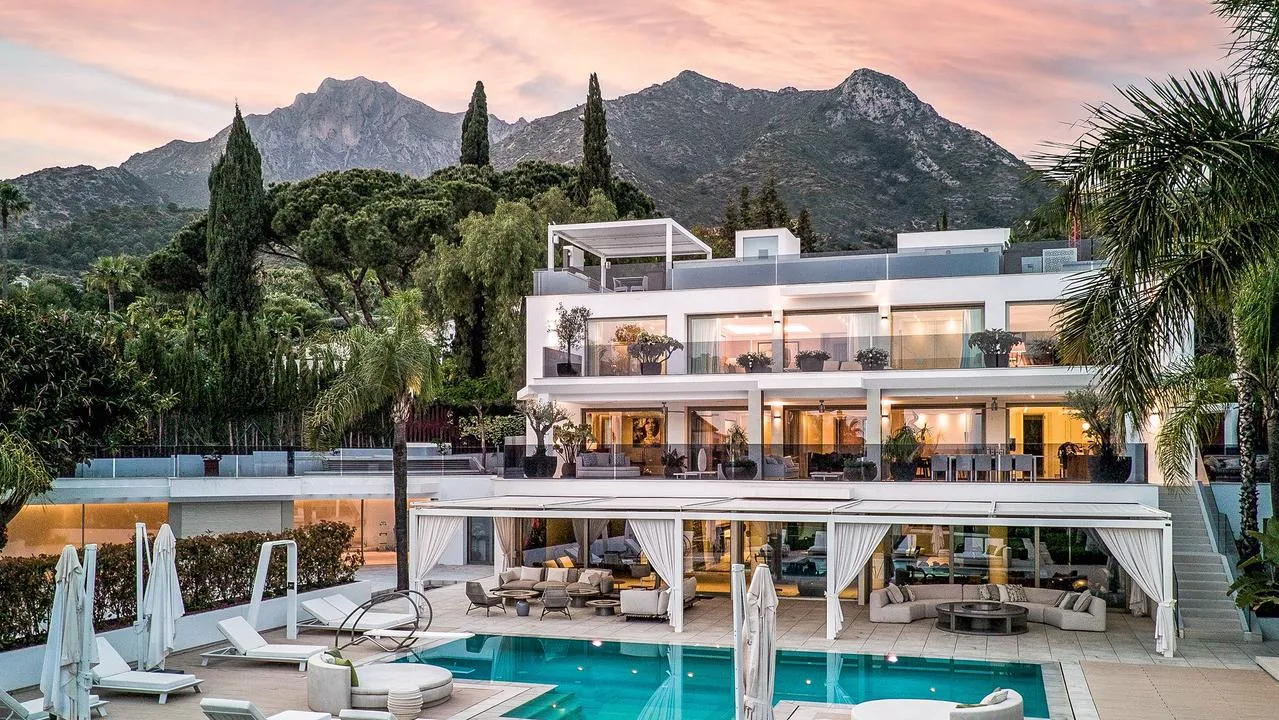
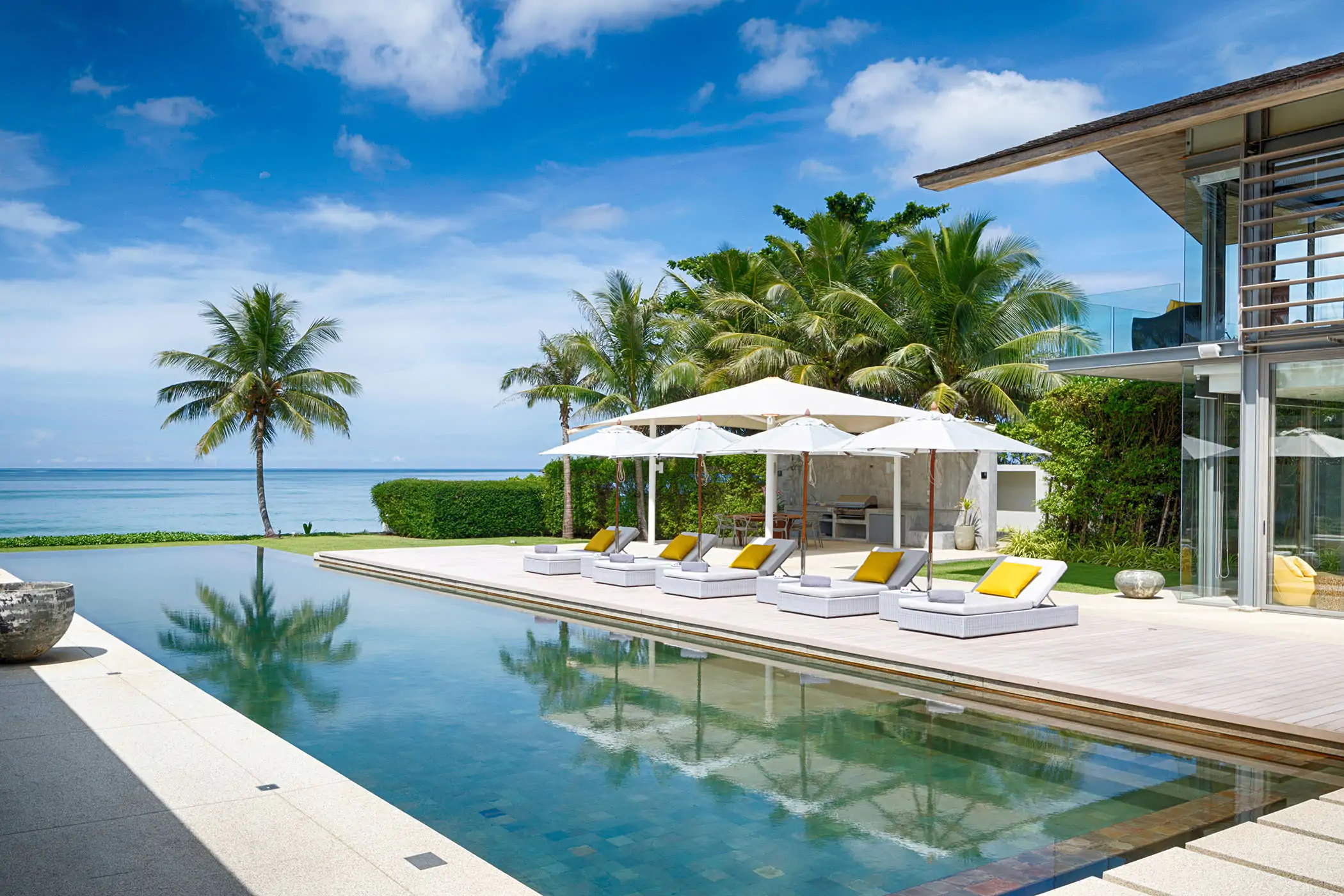
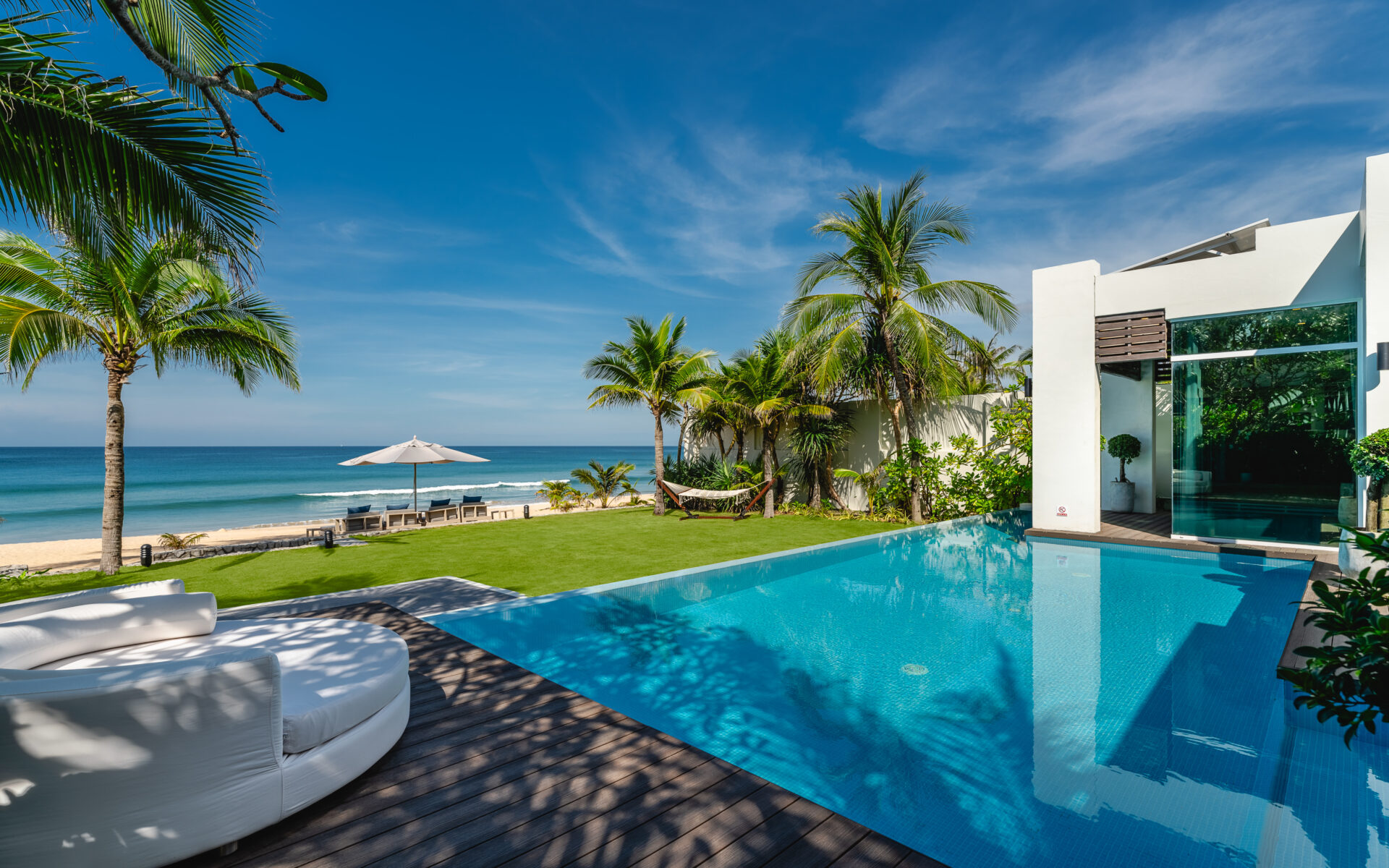
The oversimplification risk in this category is the “Photography Trap.” A property may feature a visually stunning infinity pool or designer interiors. Still, if it lacks “Technical Hardening,” such as enterprise-grade Wi-Fi for remote schooling or sound-isolated work booths, it fails the “Boutique Audit.” True excellence is the seamless fusion of “Lifestyle” and “Functional Resiliency.” Identifying the right stay involves deconstructing the building’s “Spatial Logic” to ensure it supports, rather than hinders, the family’s collective cognitive load.
Deep Contextual Background: The Evolution of Private Residency
The family villa movement has transitioned through three distinct systemic phases, mirroring changes in global work-life integration.
Phase 1: The Neoclassical Fortress (1980–2000)
Born as an extension of the European “grand tour” tradition, early villas were static, formal, and often high-friction. They were designed for seasonal consumption by large groups, prioritized formal entertaining over daily utility, and typically lacked the technical infrastructure for contemporary life. The service was reactive and ceremonial.
Phase 2: The Integrated Resort Villa (2001–2020)
As demand for privacy grew, major hotel brands began adding villas to their portfolios. This introduced professionalized standards and “amenity access,” but often compromised on “True Autonomy.” These villas were frequently “hotel rooms with extra bedrooms,” linked to a central resort engine that dictated guests’ schedules and social interactions.
Phase 3: The Sovereign Sanctuary (2021–Present)
We have now entered the era of the “Managed Ecosystem.” By 2026, the best family stays are no longer places to sleep; they are “Hardened Nodes.” They offer a full-service layer that includes wellness integration, technical failovers, and “Educational Support” (tutors-on-demand and local cultural immersions). This phase prioritizes “Environmental Control,” where the family dictates the noise floor, the lighting temperature, and the service velocity.
Conceptual Frameworks and Mental Models for Selection
To vet a potential family stay, we deploy three primary mental models:
1. The “Acoustic Backplane” Framework
Luxury is defined by silence. This framework evaluates the property’s “Acoustic Shielding.” If a design allows social noise from the living room to enter a bedroom where a parent is conducting a high-stakes video conference or a child is sleeping, the “Boutique” label is a misnomer. A high-resolution family stay must provide an ambient noise level of <35dB in designated quiet zones.
2. The “Spatial Sequence” Test
Does the property flow logically for a group, or is it a collection of disparate rooms? A villa should offer a “Gradient of Privacy,” moving from high-collision communal areas to medium-density social zones (media rooms, play areas) to low-density private chambers. Every transition must serve the family’s “Topical Authority” over their own time.
3. The “Service Invisibility” Matrix
This measures the “Cognitive Load Reduction” provided by the staff. In a boutique family environment, the service should be “Anticipatory” rather than “Intrusive.” If a parent must actively manage staff to ensure that meals align with a child’s nap schedule, the service has failed. True luxury is the invisible fulfillment of needs.
Key Categories: From Heritage Refurbishments to Managed Wildness
The global boutique villa landscape is now specialized into distinct operational archetypes for families.
| Category | Typical Hub | Primary Advantage | Operational Trade-off |
| The Historic Adaptive-Reuse | Tuscany, Italy | Deep “Narrative Cohesion”; historical education. | Variable room sizes; aging infrastructure risks. |
| The Managed Wildness Lodge | Safari/High Desert | Extreme “Sensory Fidelity”; recovery focus. | Logistical friction; higher dependency on site staff. |
| The Regenerative Farm-Stay | Hudson Valley, NY | Food authority; circular economy integration. | Seasonal variability; “Remote” logistical taxes. |
| The Technical Coastal Hub | Los Angeles, CA | High-fidelity connectivity; “Collision Zones.” | Higher ambient noise; smaller physical footprint. |
| The Multi-Unit Private Enclave | Greek Islands | Maximum “Autonomy”; individual privacy per unit. | Higher internal travel; fragmented family social life. |
Decision Logic: The “Boutique Audit”
Before a high-stakes family stay, a professional should rank the property 1–10 on: (1) Technical Hardening, (2) Acoustic Isolation, and (3) Service Intuition. A total score below 22 indicates a “Lifestyle Choice” that may not support high-output professional or academic needs during the stay.
Detailed Real-World Scenarios
The “Dual-Career” Work-Stay
A family of four (two parents in senior roles, two school-aged children) books a three-week stay in a restored hacienda in Mexico.
-
The Setup: The property features a dedicated “Office Wing” with satellite failover and three distinct outdoor “Classroom Nodes.”
-
Decision Point: The parents chose this over a standard beach resort because the “Technical Backplane” enables them to maintain a 40-hour workweek without compromising the children’s “Cultural Immersion.”
-
Failure Mode: If the property’s electricity fails without a native backup (e.g., a generator or battery), the parents’ “Productivity Yield” declines.
The “Multigenerational” Milestone
A three-generation family (grandparents, parents, children) stays at a managed lodge in the Rocky Mountains.
-
The Incident: The grandparents require a <30dB environment for rest, while the children require high-intensity recreation areas.
-
The Result: The villa’s “Acoustic Shielding” and split-level design allow both activities to occur simultaneously without “Environmental Friction.”
-
Second-Order Effect: The family experiences a 2x “Bonding Yield” compared to a hotel where they would be separated into multiple disconnected suites.
Planning, Cost, and Resource Dynamics
The economics of the best boutique villas for families are driven by “Service Density.” Because these properties lack the economies of scale of legacy brands, their pricing reflects a higher “Personalized Overhead.”
Monthly/Weekly Investment Projections (2026)
| Expense Item | Mid-Market Boutique | Elite/Sovereign Boutique |
| Daily Rate (Avg) | $1,200 | $4,500+ |
| Technical Surcharge (IT) | Included (Standard) | Included (Enterprise Fiber/Satellite) |
| Gastronomic Investment | $150/person/day | $400/person/day (Private Chef) |
| Logistical Assistance | Self-Managed | Concierge-Managed (24/7) |
| Net Experience ROI | Moderate | High (Systemic Fluidity) |
Tools, Strategies, and Support Systems
To maximize the utility of a family villa stay, the professional traveler employs a specific “Stay Stack”:
-
Acoustic Mapping Apps: Verifying the room’s noise floor before unpacking to assign bedrooms based on sensitivity.
-
Technical Vetting Scripts: Sending a list of networking requirements (WPA3 support, latency <40ms) to the property manager 48 hours prior.
-
Local Supply-Chain Integration: Using local apps to ensure the pantry is pre-provisioned with specific dietary or technical supplies.
-
Circadian Calibration Tools: Carrying portable red-light filters for bedrooms to counteract the “Blue Light Tax” of unfamiliar lighting.
-
Private Membership Reciprocity: Utilizing hotel partnerships with local clubs or wellness hubs for “Opt-in Social Collision.”
-
Managed Maintenance Windows: Scheduling “Do Not Disturb” blocks for the entire villa to align with shared work/study hours.
Risk Landscape and Failure Modes in Family Stays
-
The “Owner’s Whim” Risk: Unlike chains, independent properties are subject to the owner’s personal tastes. A change in local staff can lead to a sudden collapse in “Service Intuition.”
-
Infrastructure Fragility: Historic buildings often have “Single-Point-of-Failure” systems. A plumbing outage in a remote villa can turn a luxury stay into a survival exercise.
-
Narrative Drift: When a boutique villa tries to cater to every demographic, it loses its “Topical Authority,” resulting in a generic experience that satisfies no one.
-
Data Privacy Gaps: Independent properties may have less robust cybersecurity infrastructure, making family data (photos, work files) a high-value target for localized breaches.
Governance, Maintenance, and Long-Term Adaptation
A successful long-term relationship with the boutique sector requires “Active Stay Governance.”
-
The 2-Hour “Subsystem Check”: Testing the shower pressure, internet speed, and HVAC noise within the first two hours to allow for a room re-assignment or remediation.
-
Post-Stay Documentation: Maintaining a “Family Ledger” that tracks specific villa features, such as room numbers, and notes on the best light for video calls for future bookings.
-
Layered Checklist:
-
Satellite/Fiber Latency < 30ms
-
HVAC Decibels < 40dB in bedrooms
-
Perimeter Security Verified
-
Kitchen: Commercial Grade (Metabolic Health)
-
Measurement, Tracking, and Evaluation of Stay Quality
-
Leading Indicators: Daily sleep scores (via wearables); “Time-to-Resolution” for child-related requests; network uptime.
-
Lagging Indicators: Total billable output of parents; academic engagement of children; qualitative “Stress Delta” pre- and post-stay.
-
Documentation Examples:
-
The Productivity Correlation: A log mapping creative output against the villa’s environmental variables.
-
The “Node Registry”: A list of “Golden Villas” that meet the “Sovereign Baseline” for future family movements.
-
Common Misconceptions and Oversimplifications
-
Myth: “Kids need a kids’ club.” Correction: Kids in 2026 need “Environmental Engagement.” A boutique villa with a resident naturalist or a working kitchen is more educational than a generic playroom.
-
Myth: “Luxury means more staff.” Correction: Luxury means “Invisible Support.” A villa with 20 staff members may feel more intrusive than one with 2 high-functioning, intuitive managers.
-
Myth: “Old buildings are romantic.” Correction: Old buildings are acoustic and thermal liabilities unless they have undergone “Technical Hardening.”
-
Myth: “The pool is the most important feature.” Correction: The “Technical Backplane” is the most important feature. A pool is useless if you are stressed about a failing work connection.
Ethical, Practical, and Contextual Considerations
The rise of boutique family hospitality is deeply intertwined with “Community Resilience.” A villa that displaces residents or relies on exploitative labor to maintain a price point is ethically fragile. The best boutique villas for families are those that practice “Radical Transparency,” support local craftspeople, use regenerative energy, and provide a living wage. Choosing properties ensures that the family’s “Cultural Immersion” is grounded in a healthy, sustainable ecosystem rather than a curated facade.
Conclusion: The Emergence of the Sovereign Family Node
The evolution of the family villa mirrors the evolution of the modern household. We are moving away from “Disposable Travel” toward “Systemic Stewardship.” A true boutique stay functions as a sanctuary of ‘Topical Authority,’ providing an environment that calibrates itself to support the highest level of human output and family recovery. By applying a rigorous audit to our travel choices, we ensure that our surroundings are not only comfortable but also “Operationally Advantageous” for the next generation.